Henderson's Heroics & 10-Man Fight: Wolves Fall Short Against Palace in Tense Encounter
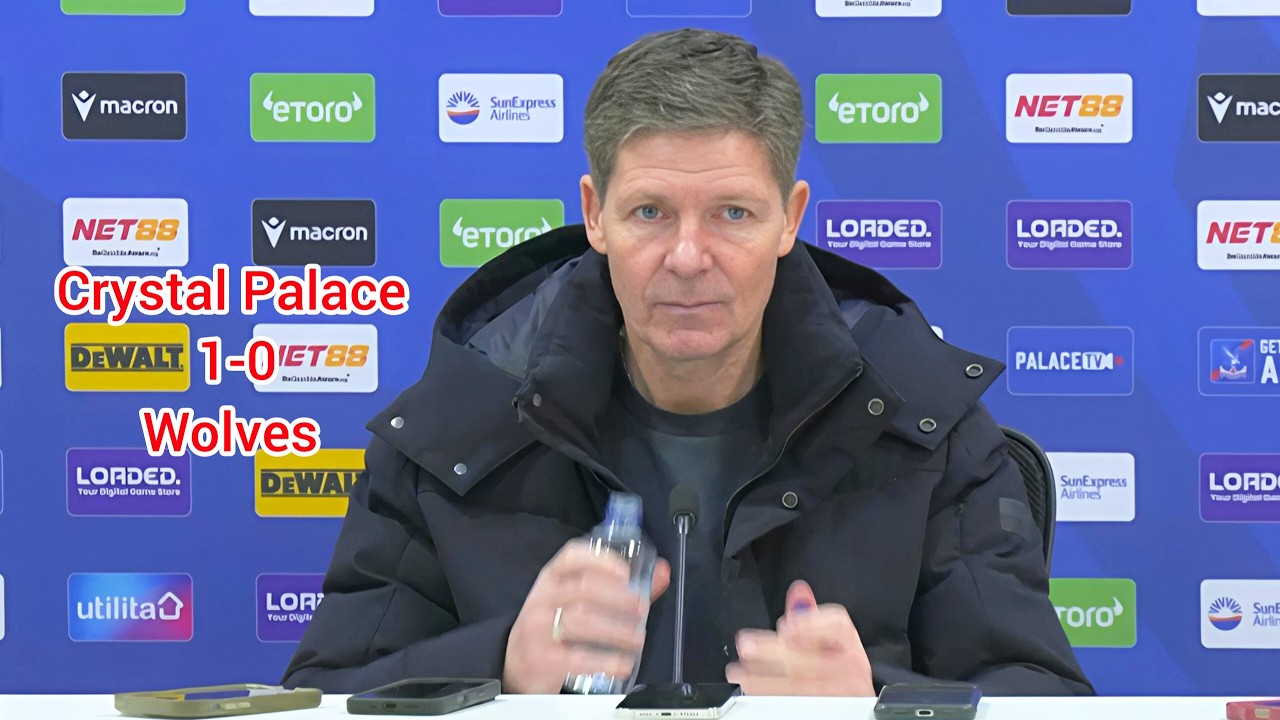
In a Premier League fixture fraught with tension, both on and off the pitch, Crystal Palace snatched a dramatic late victory against Wolves. The 2-1 win at Selhurst Park, secured by Evann Guessand's first goal for the club in the dying moments, provided a much-needed boost for the Eagles, albeit one that arrived against a resilient Wolves side playing with ten men for the final half-hour. This clash between Crystal Palace and Wolves was a testament to the Premier League's unpredictable nature, highlighting individual brilliance, tactical fortitude, and the ever-present drama of football.
For Wolves, despite the narrow defeat, there was plenty for manager Rob Edwards to commend, particularly their defiant performance after being reduced to ten men. However, the loss meant they still sought the crucial point needed to avoid matching Derby County's record low Premier League tally from 2008 – a statistic they'll be keen to rectify in upcoming fixtures. The narrative for Crystal Palace, meanwhile, was far more complex, intertwined with vocal fan discontent towards manager Oliver Glasner, which cast a long shadow over their hard-fought victory.
A Battle of Nerves: Key Moments Define Crystal Palace vs Wolves
The encounter between Crystal Palace and Wolves was a rollercoaster of emotions, starting with a moment that could have swung the momentum decisively in Palace's favour. Wolves defender Yerson Mosquera almost gifted the home side an early lead with a badly misjudged header back, but the opportunity wasn't capitalized upon. It was an early warning sign that both teams would endure a testing afternoon.
The first half's most significant event unfolded when Wolves were awarded a penalty. Tolu Arokodare stepped up, but his effort was brilliantly thwarted by Crystal Palace's goalkeeper, Dean Henderson. Henderson's crucial save kept the score level and, in hindsight, proved to be a pivotal moment, preventing Wolves from taking an invaluable lead. His performance throughout the game underscored his growing importance to the Eagles, providing a much-needed foundation for the attacking endeavors.
The match took another dramatic turn in the second half when Wolves midfielder Ladislav Krejci received a second yellow card for stupidly kicking the ball away. His dismissal left Wolves to play with ten men for the final thirty minutes, drastically altering the tactical landscape of the game. Such incidents are always game-changers, demanding immense discipline and resilience from the shorthanded team, and often testing the patience and creativity of the side with the numerical advantage.
Despite playing against ten men, Palace struggled to break the deadlock for a significant period. Wolves defended resolutely, showcasing the kind of team spirit that Rob Edwards has instilled. However, just when it seemed the Eagles would have to settle for a frustrating draw, substitute Evann Guessand pounced in the final minute of normal time, scoring his first goal for the club to send Selhurst Park into a frenzy and secure a vital 2-1 victory for Crystal Palace. This late strike perfectly encapsulates the 'never say die' attitude required in the Premier League, where points are fought for until the final whistle.
Glasner's Gauntlet: Navigating Fan Frustration Amidst Victory
The victory for Crystal Palace against Wolves, while crucial for their league standing, was played out against a backdrop of significant fan unrest directed at manager Oliver Glasner. Barely 30 seconds into the game, a banner unfurled by Crystal Palace supporters behind Dean Henderson's goal read, "Opportunities missed. Board inept. Fans disrespected. Glasner finished." This stark message highlighted the deep animosity and frustration that had been building amongst sections of the fanbase, particularly from influential groups like the Holmesdale Fanatics, responsible for previous controversial banners.
Glasner's relationship with the supporters had become increasingly strained following recent comments where he questioned some of his players' commitment, suggesting they were "looking at where they will play next year rather than where they are playing right now," and controversially told fans to "stay humble." These statements had not gone down well in south London, with fans even mocking the "humble boys" chant after their team went ahead against Wolves.
Despite the win, it remains doubtful whether this result alone can fully repair the fractured relationship between Glasner and the fanbase. While a second win in 16 games across all competitions will undoubtedly ease their immediate relegation fears, the underlying friction persists. Glasner, for his part, maintained a defiant stance, stating about the banner, "I think it's the way the fans can express their opinion because otherwise they can't tell me. It's completely fine. But I will always say what I think, what I believe. I never disrespected anyone. This is where I disagree." When asked if he regretted that his relationship with supporters seemed broken, his response was a firm "No." The situation at Selhurst Park underlines a common challenge in modern football: balancing a manager's honest assessments with maintaining fan morale. This win might buy Glasner some time, but the path to full fan reconciliation is likely to be a long one. For a deeper dive into this complex issue, explore Palace Win Against Wolves: Does it Solve Glasner's Fan Problem?
Wolves' Resilience: A Glimmer Despite the Loss
For Wolves manager Rob Edwards, the defeat against Crystal Palace, particularly after playing with ten men for a significant period, presented a mixed bag of emotions. While disappointed not to have secured a point, Edwards found plenty to be proud of in his team's performance. "It was another big stride forward in terms of performance," he commented post-match, reflecting the consistent improvements the team has made since his appointment.
Wolves arrived at Selhurst Park in confident mood, buoyed by their stirring midweek comeback against Arsenal and a first away win of the campaign in the FA Cup against Grimsby. This newfound confidence was evident in their spirited display, even after Krejci's sending off. Playing with a numerical disadvantage in the Premier League is one of the toughest tests a team can face, demanding immense tactical discipline, physical endurance, and mental fortitude. Wolves showcased all these qualities, frustrating Palace for long periods and nearly holding out for a draw.
The narrow loss, therefore, despite failing to secure the point needed to distance themselves from a historical unwanted record, shouldn't overshadow the progress Wolves are making under Edwards. The team demonstrated resilience, organization, and a fighting spirit that bodes well for their future fixtures. For any club, cultivating such attributes is paramount, especially when navigating the demanding waters of the top flight. The lessons learned from this challenging encounter, particularly in managing a game with ten men, will be invaluable moving forward.
Conclusion: A Win for Palace, Questions Remain for Both Sides
The Crystal Palace vs. Wolves fixture was a microcosm of the Premier League season: full of drama, contentious moments, and late heroics. For Crystal Palace, Guessand's dramatic winner, coupled with Henderson's penalty save, delivered three vital points, significantly easing their immediate relegation concerns and offering a fleeting moment of joy amidst fan discontent. However, the deep-seated issues between manager Oliver Glasner and sections of the fanbase remain largely unresolved, suggesting that this victory is but a single battle won in a longer, more challenging war for club unity.
Wolves, despite the heartbreak of a late defeat and the missed opportunity to secure a crucial point, can take considerable pride in their tenacious performance, especially after going down to ten men. Rob Edwards' men showcased resilience and tactical discipline, reinforcing the positive trajectory they have been on. The fine margins of this game—a penalty save, a late red card, and a last-minute goal—highlight the unpredictable nature of top-flight football, where every decision and every moment can have profound consequences for both Crystal Palace and Wolves as they navigate the remainder of their respective seasons.